Built by Someone Who Lived It
LegacyLeaps wasn't built by a software company looking for a market. It was built by someone who spent years on the factory floor, drowning in the exact spreadsheets and databases this tool fixes.
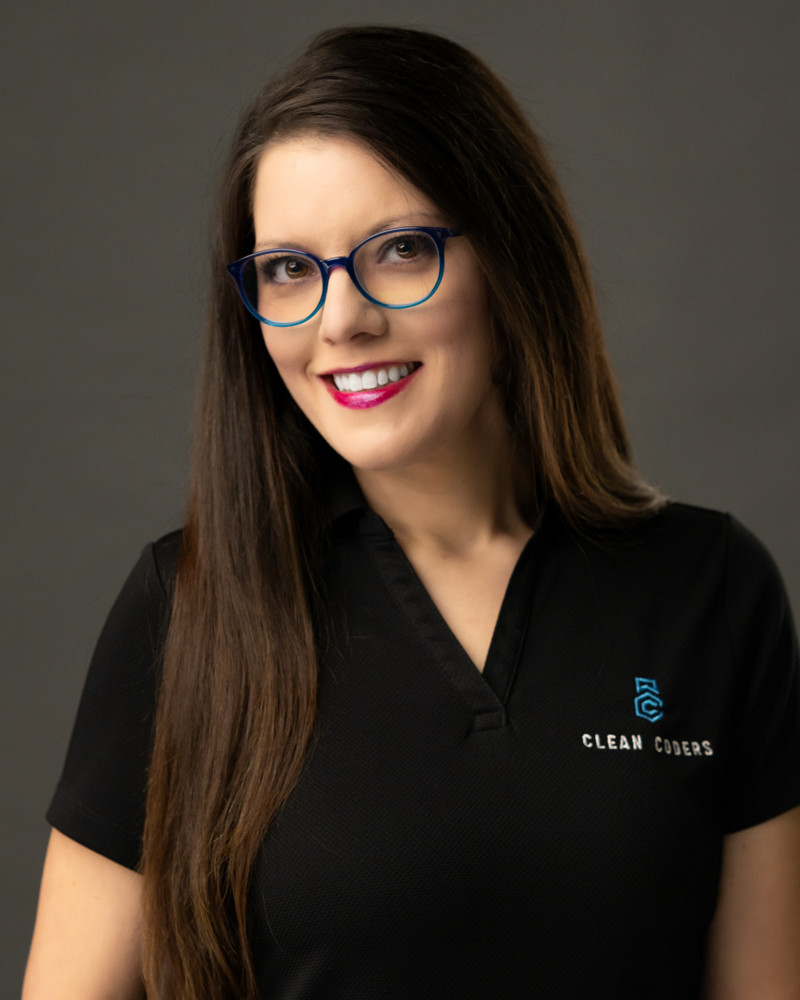
Gina Martiny
Founder & Developer
Before I wrote my first line of production code, I worked in chemical manufacturing. My days were filled with Excel workbooks — tracking batches, managing formulas, running reports. I built VBA macros to automate what I could. I maintained Access databases that held years of production data.
And I loved it. There's something satisfying about bending a spreadsheet to your will, making it do exactly what you need.
But I could also see the cracks. A macro that worked perfectly for two years would break after an Office update. A database that three departments depended on would corrupt with no warning. Critical business logic lived inside files that nobody fully understood, built by people who had moved on.
There had to be a better way.
So I made a leap of my own. I left manufacturing and became a software craftsman — studying clean code, test-driven development, and the discipline of building software that lasts. I trained at Clean Coders, where the standard isn't "it works" — it's "it's maintainable, tested, and built to survive change."
LegacyLeaps is where those two worlds meet. I built it because I've been the person staring at a broken .xls file at 4 PM on a Friday, wondering why the macro that ran fine yesterday now throws a cryptic error. I know what's at stake — production schedules, financial reports, years of institutional knowledge locked inside files that modern software doesn't quite understand anymore.
This tool is backed by hundreds of automated tests. Every migration path is verified. Every edge case I've encountered — from 32-bit API declarations to missing library references to Jet SQL syntax that Access 2007 abandoned — is handled and documented.
My broader mission is to build bridges over the canyons between manufacturing and modern software development. The people running chemical plants, warehouses, and production lines deserve tools built with the same craftsmanship as the products they make. That's what I'm here to do.
More About Gina
What Makes LegacyLeaps Different
Built from Real Pain
This isn't a tool built by developers guessing at what businesses need. It's built by someone who lived it — years of wrestling with legacy files in a production environment before learning how to build software the right way.
Craftsman-Quality Code
Every migration path is backed by hundreds of automated tests. Test-driven development, clean architecture, SOLID principles — the same discipline that keeps manufacturing lines running applied to the software that protects your data.
Your Files Stay Yours
Self-service migrations run entirely on your machine. Nothing uploaded, nothing transmitted. Done-for-you transfers use 256-bit encryption, and all files are permanently deleted after delivery.
Full Transparency
Every migration produces a detailed compatibility report. You'll know exactly what was changed, what was flagged, and what needs attention. No black boxes. No surprises.